

Void analysis in retail finds gaps in locations for a potential business or organisation to fill. Complete an analysis to discover optimized brick-and-mortar locations to start or move a business, franchise, or service.
Advanced void analysis uses location data tools for an enhanced view to help retailers and landlords make informed choices. Sounds complicated? See our breakdown below with step-by-step instructions on how to conduct a void analysis, examples, and how artificial intelligence can make it easier.
What is void analysis?
Void analysis is a strategic tool used primarily in the retail and business sectors to identify and explore gaps or “voids” within product offerings, market spaces, or sales performance. It allows businesses to hone in on untapped opportunities—areas where potential customers’ needs aren’t being met. By conducting a thorough void analysis, companies can uncover hidden gems within a sea of data, providing insights that drive informed decision-making and growth.
Void analysis can reveal inconsistencies in performance or areas where resources aren’t aligning with market demand. This component of retail business intelligence is a powerful checkpoint—ensuring that your business not only keeps pace with industry trends but also strategically positions itself for future success.
Void Analysis Techniques: Step by Step Guide
There are two main ways of completing a void analysis: using a data provider and platform or using raw data. We’ll run you through how to use PassBy’s void analysis tools.
Void analysis for new markets
- Login to your chosen void analysis platform.
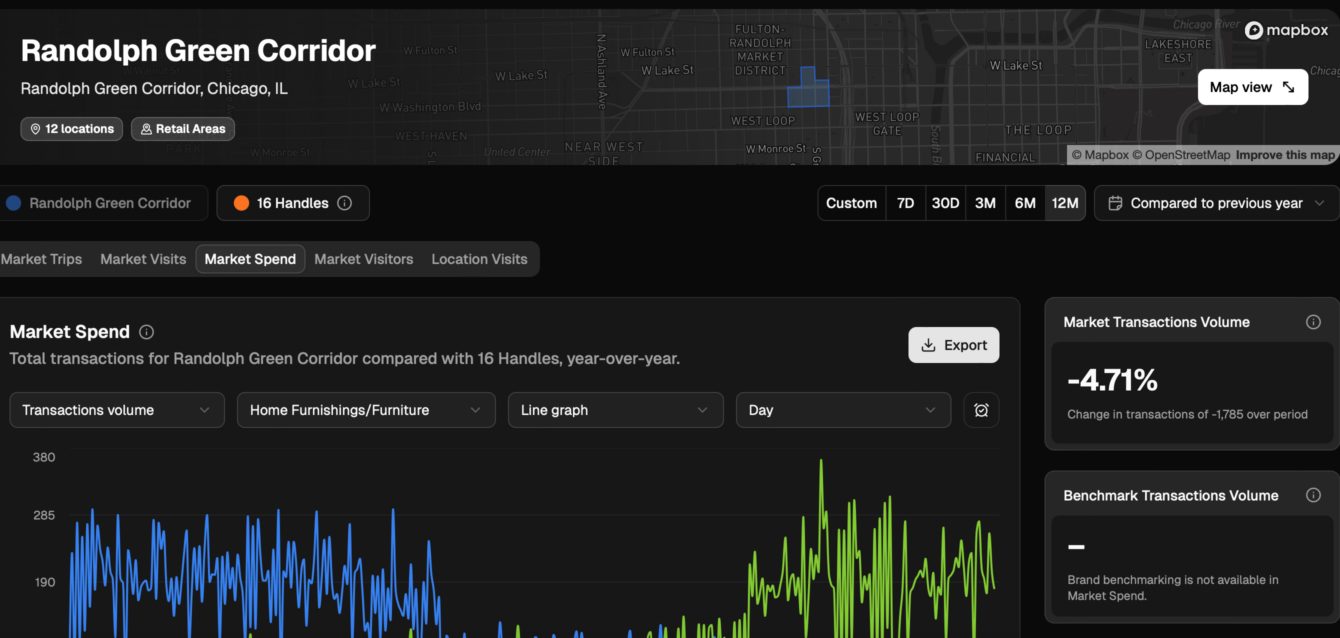
- Click the “Markets” tab and search for a location in the search bar in the top left. Then select the market you’d like to analyze.
- This market analysis will be your starting point to understanding the visitor numbers, market growth, and visitor demographics of an area to discover a void.
4. After choosing a market you’re interested in, select “Open Map” at the top right. This opens the Trade Areas Map, showing you real-world visitor patterns for each site. The Retail Clusters help you compare nearby retail locations fairly.
5. Examine nearby competitors and supplementary retailers to gain insight.
6. Compare several clusters simultaneously to evaluate both demand and ease of access.
Void analysis for exisiting markets
In markets where you’re already a player, leverage Smart Benchmarks to determine if the performance of exisiting tenants is the result of your store execution or the prevailing market conditions.
Benchmarks offer a local, fair comparison by automatically selecting relevant competitors to give context to your outcomes.
Steps to create and utilize a Smart Benchmark:
- Access the Benchmark Drawer in Almanac.
- Select competitor locations that align with your store type or market position.
- Examine visit trends over time, comparing your site’s performance to the local benchmark average.
Key steps to complete a void analysis
- Identify Areas of Opportunity: Start by pinpointing sections in your retail ecosystem where sales might not be meeting expectations. This can involve analyzing sales reports, customer feedback, or market trends to highlight areas with potential gaps or underperformance.
- Gather Data: Collect relevant data to understand the current state of your inventory and sales. Data on customer preferences, sales patterns, and market demand will be crucial in identifying voids that need attention.
- Utilize Analytical Tools: Employ analytical tools or software to break down the data. Most platforms offer features to visualize trends and patterns, making it easier to spot voids that need addressing.
- Pinpoint Void Regions: Look closely at the data outputs to identify void regions. These are areas where there is a noticeable lack of products that consumers are interested in or are experiencing a drop in sales activity.
- Plan for Adjustment: Develop a strategy to fill these voids. This might involve increasing the marketing budget for certain products, adjusting your inventory to include more of in-demand items, or redesigning store layouts.
- Implementation: Put your plan into action, ensuring that all departments are coordinated for effective execution. Communication across teams is key to successfully fill identified voids.
- Monitor and Review: After implementing changes, continuously monitor the outcomes and continusuoly review to optimize tenant mix and evaluate effectiveness. Use sales data and customer feedback to determine if the voids have been successfully filled and whether further adjustments are necessary.
How does void analysis work?
Void analysis operates by combing through extensive datasets to identify opportunities where products or services can be effectively introduced or expanded. It involves assessing current offerings, customer demands, and market trends. When implemented in a retail setting, it systematically evaluates shelf space, product assortments, and sales data to highlight gaps where potential sales can be maximized.
To begin, the process often entails collecting data from various sources such as sales records, customer feedback, and competitive analysis. These data points are then analyzed to pinpoint areas lacking certain products or where demand exceeds supply. Advanced analytical tools and software platforms can aid in visualizing these gaps, making the task of spotting voids more manageable and precise. Often, businesses employ predictive analytics to forecast which products could satisfy unmet demands based on historical purchasing patterns and emerging market trends.
Once these voids are identified, businesses can tailor their strategy accordingly—whether that’s introducing new product lines, optimizing inventory, or adjusting marketing tactics to align with consumer needs. By effectively leveraging void analysis, retailers can not only boost their sales and improve customer satisfaction but also gain a competitive edge by preemptively addressing market demands before they become apparent to competitors.
Void analysis tips
Void analysis can be a game-changer if executed with care. Here are some tips to enhance your process:
- Data is King: Start with quality data. Ensure that your data sources are reliable and updated. Outdated information might lead to inaccurate conclusions.
- Detail-Oriented Approach: Dive deep into the granularity of data. Understanding the micro-level details often unveils opportunities that are not visible at the macro level.
- Regular Updates: Markets and consumer preferences change frequently. Make sure your void analysis is done periodically to keep up with the latest trends.
- Collaboration: Involve different departments in the analysis process. Marketing, sales, and inventory teams can provide varied perspectives, offering a comprehensive view.
- Technology Utilization: Utilize advanced analytics tools and platforms that incorporate machine learning and AI to streamline the analysis, providing deeper insights.
- Stay Objective: Ensure that your analysis is unbiased. Personal biases can affect decision-making, leading to missed opportunities.
- Visualization: Use visual aids like charts and graphs to better understand data trends and present findings more effectively to stakeholders.
Implementing these tips will enhance your void analysis strategy, leading to more informed decisions and optimizing your retail operations.
Use cases of void analysis in retail
Void analysis is completed by commercial property owners, brokers, retailers, and data scientists and researchers. Here are just a few use cases of when retail void analysis is completed and by what type of company:
- Shopping mall: discover the ideal tenant to open a store in a currently unoccupied store.
- Large company: identify new locations to expand a franchise or store chain.
- Product launch: company of any size may use void analysis to identify ideal locations for a pop-up shop to launch a new product or brand.
- Data analyst: analyze a business propsal and potential of a store location or new business.
Void Analysis Faqs
What does “void” mean in property?
In property sectors, “void” typically refers to periods when a property remains unoccupied. These void periods can occur in both residential and commercial settings and signify without tenants or productive use. The term is crucial for property managers and investors as it often translates to lost rental income and potentially increased costs due to maintenance or security concerns.
Ultimately, the concept of “void” in property is all about managing downtime effectively. By keeping these periods to a minimum, you can enhance your property investment returns and ensure more consistent cash flow.
Why is retail analysis important?
Completing regular void analyses can help with the optimization of operations, and inventory, and give suggestions to fill tenancy gaps. The reports offered by void analysis can help retailers understand consumers at a local, regional, and national level to identify opportunities for expansion in the site selection process.
Can foot traffic data improve void analysis?
Absolutely! Foot traffic data can provide information on the demand of a particular location, identify promising new store locations, or help you understand why exisiting locations are underperforming.
By integrating foot traffic data, void analysis becomes more dynamic, giving you a more comprehensive understanding of market potential.
What is the difference between void and gap?
Void analysis refers to the finding, optimizing, and filling of business locations. For example, a retail business finding and opening a new store in a shopping mall.
Retail gap analysis refer to the comparison of the business’s current performance with desired outcomes.
Gap analysis aims to identify areas of improvement within your current operations, whereas void analysis aims to identify new business locations.