

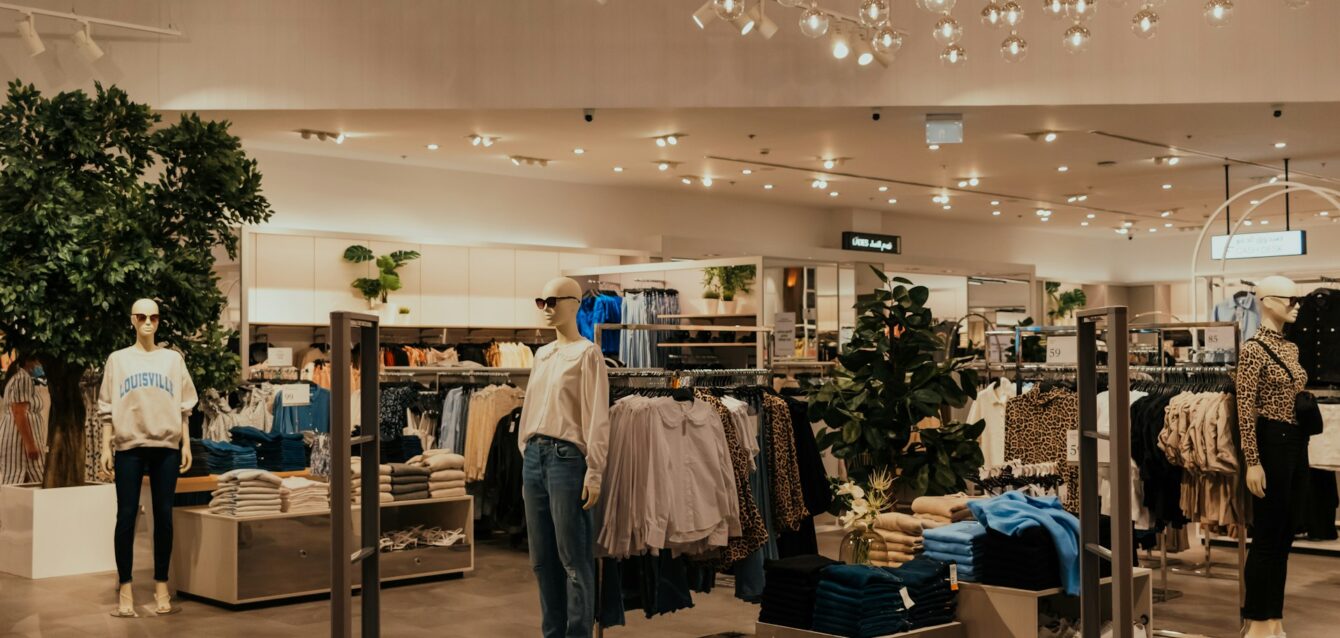
The retail landscape in 2026 is defined by a rapid evolution in how consumers discover, compare, and purchase products.
From AI becoming the primary interface for consumer decision-making to the structural tailwinds favoring community-focused neighborhood centres foot traffic, these trends highlight a market that rewards agility and value.
Understanding these shifts is essential for retailers and operators looking to navigate the complexities of the current economic environment and capture the attention of increasingly surgical and price-sensitive shoppers.
Evaluate how retail trends are impacting your business. Book a 15-minute walkthrough →
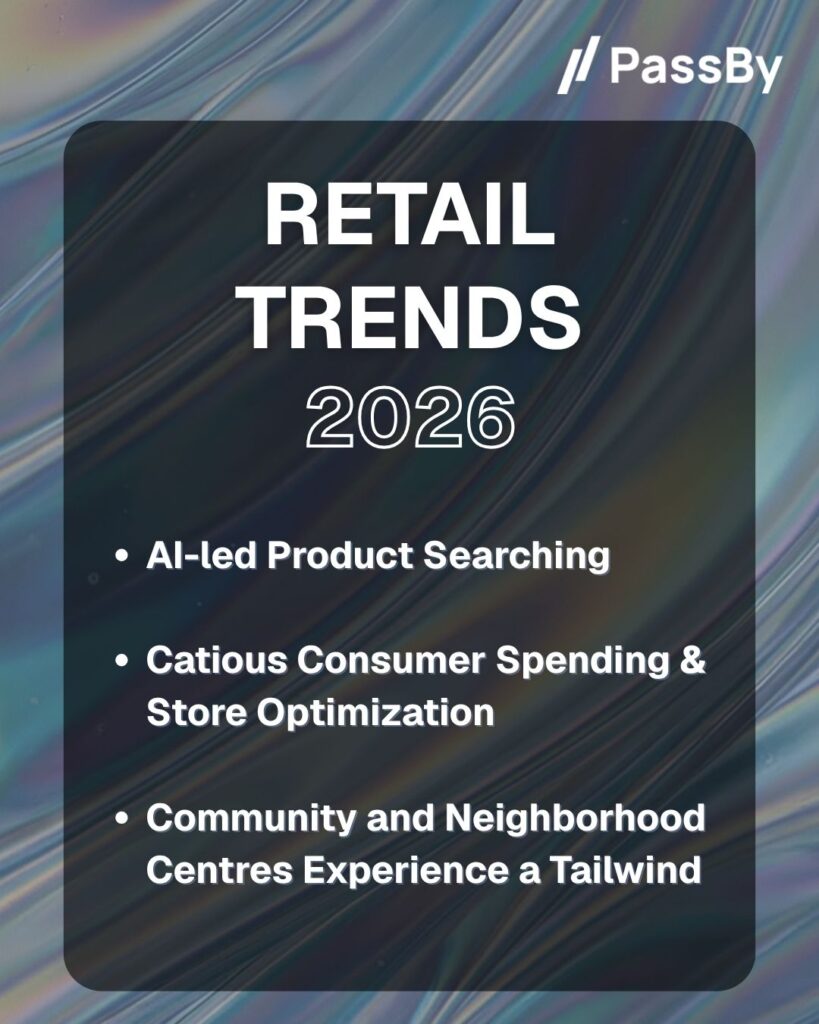
AI-led Product Searching
While many retailers have proactively invested in AI to develop innovative product tools and streamline internal operations, a significant shift is occurring as consumers increasingly invest their own time in AI-driven search and shopping platforms. Research from McKinsey and ICSC highlights this trend, revealing that 62% of consumers are now utilizing AI to compare various brands, specific models, price points, and customer reviews.
As we look toward 2026, the reliance on AI for browsing, product comparison, and sentiment analysis via reviews is expected to accelerate. This shift suggests that AI is moving beyond a backend operational tool for businesses to become a primary interface for the consumer decision-making process.
What this trend means for retailers and operators:
- Shift in Customer Interface: Retailers must recognize that the primary point of contact is moving to AI platforms. Marketing strategies should be optimized not just for human eyes, but for the algorithms and sentiment analysis tools that consumers are using to aggregate brand comparisons and reviews.
- Real-Time Sentiment Monitoring: As consumer sentiment becomes more volatile, retailers should utilize tools that provide live scores on consumer strength—integrating foot traffic, spend, and transaction data—to define their own narrative and pivot quickly to market changes.
- Operational Transparency: With AI making price and review comparisons instantaneous, maintaining high sentiment through positive customer reviews and transparent pricing becomes an operational necessity rather than just a marketing goal.
Cautious Consumer Spending and Store Optimization
Economic challenges, such as a cost-of-living crisis and the impact of the 2025 tariffs, have forced consumers to adopt more cautious and price-sensitive spending habits. This shift has created a retail environment where customers are less likely to spend on big-ticket discretionary items and actively push back against price increases.
For example, our data showed a sharp decline in visits and transactions for brands like Lululemon Athletica, indicating consumers were deferring purchases or moving to more affordable alternatives after potential tariff-related price hikes. This price sensitivity also contributed to the ongoing financial struggles and eventual bankruptcy filing for brands like Forever 21, which depends on a notably price-sensitive consumer base.
What this trend means for retailers and operators:
- Strategic Pivot: Retailers need to focus on value, promotions, and store efficiency to succeed in the current landscape.
- Value-Driven Growth: Brands such as Hollister, ALDI, T.J. Maxx, Kohl’s, and Burlington are growing by attracting budget-conscious shoppers with promotional strategies and value offerings.
- Physical Store Optimization: Locations must be optimized for “surgical strike” shoppers who value efficiency over browsing. Using foot traffic software, retailers can analyze current store performance and discover which locations may need adjustments.
- Frictionless Experience: Implementing services like buy-online-pickup-in-store (BOPIS) and ensuring efficient layouts helps make shopping trips as frictionless as possible.
Community and Neighborhood Centres Experience a Tailwind
Overall, total mall foot traffic saw a modest year-over-year growth of 0.48% from 2025 to 2026. But mall visits are far from stable. The gap between neighborhood centres and super-regionals has become more and more clear. In 2026, this gap could continue to widen as consumers look to community centres for shopping trips over regional locations.
- Community centres led all formats with 1.22% YoY growth, adding over 100 million visits.
- These community centres are typically anchored by essential services like groceries and pharmacies.
- Other large, open-air centres saw minimal growth, with Power centres growing 0.15% and regional centres managing only 0.03% growth.
What this trend means for retailers and operators:
- For Super-regional or Lifestyle centres: Outperformance requires active intervention, such as refreshing the tenant mix, investing in experiential offerings, or repositioning the property, as the trend is currently working against them.
- For Community or Neighbourhood centres: While there are structural tailwinds driving traffic, operators risk complacency since the growth is driven by convenience, not by specific operator actions.
- For Retailers Based in Malls: Heavy reliance on mall visits could spell more volatility. Benchmark your expectations and adjust store operations accordingly. Depending on your store locations, this trend could be a net positive or negative, so use a foot traffic data provider to analyze your situation.
How to follow retail foot traffic trends
To effectively capitalize on or mitigate against the volatile trends in foot traffic, retailers must leverage robust location intelligence tools. Staying ahead of the curve requires a data-driven approach that goes beyond internal metrics.
- Watch Performance: Use a provider’s tools and software to gain real-time visibility into your store’s performance and identify underperforming assets.
- Predict Traffic: Utilize predictive analytics to forecast future visit trends, helping you optimize staffing, inventory, and marketing campaigns.
- Analyze Competitors: Gain a competitive edge by analyzing foot traffic patterns of competing retailers and shopping centers to inform strategic decisions in site selection and expansion.
- Stay Informed: For ongoing, in-depth analysis of the latest shifts, statistics, and industry insights, sign up to our newsletter.
Evaluate how retail trends are impacting your business. Book a 15-minute walkthrough →